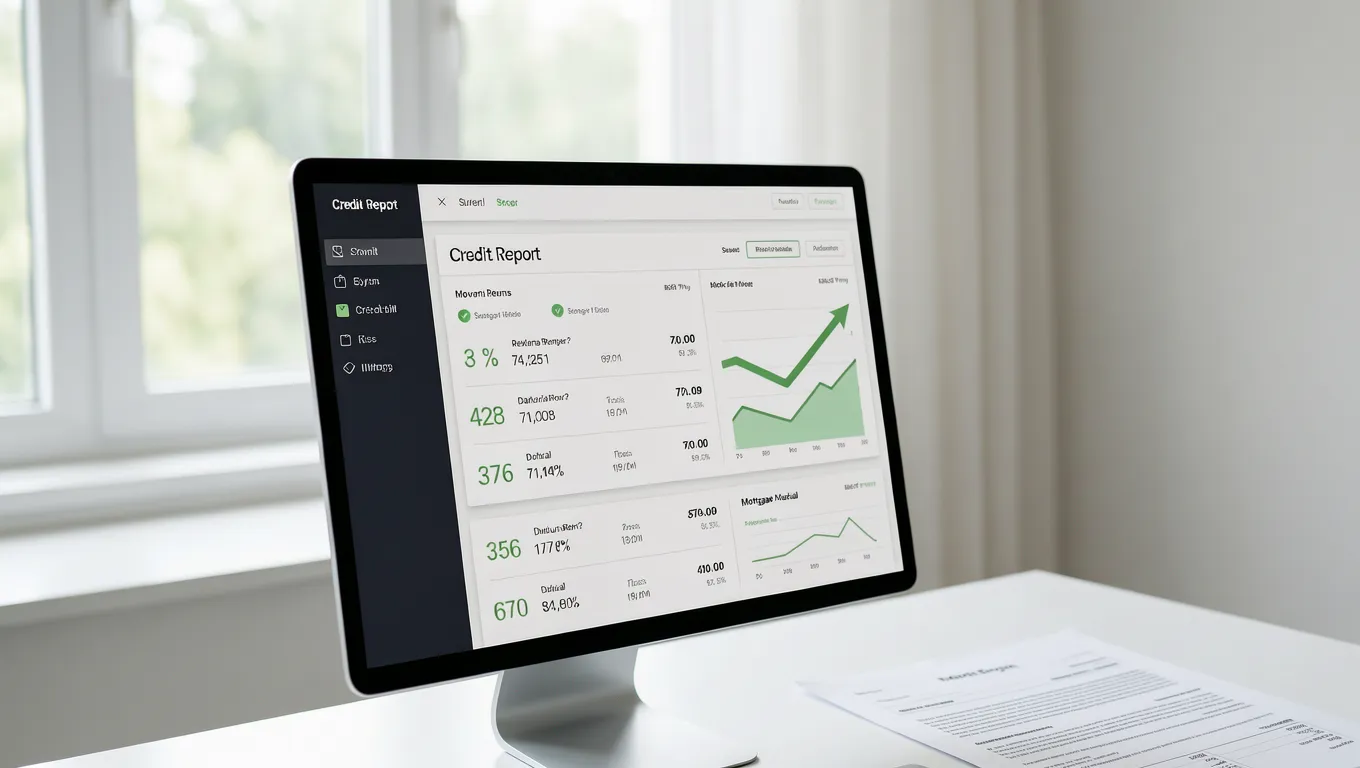
Navigating the mortgage landscape in 2026 requires a strategic approach to your credit profile. We help you explore options that may align with your unique financial situation.
No hard credit pull · Takes 2 minutes
Won't impact your credit score
Review your latest credit reports from Equifax, Experian, and TransUnion to identify any errors or areas for improvement.
Identify mortgage products like FHA or VA loans that may offer more lenient credit requirements for borrowers.
Match with lenders through LoanSwift to begin the official application process based on your specific profile.
Securing a home when your credit history is less than ideal can feel overwhelming, but it is certainly possible in 2026. Many borrowers mistakenly believe that a low score is an immediate barrier to entry, yet various programs exist specifically for those with non-traditional financial backgrounds. For instance, the FHA loan remains a popular choice because it may allow for credit scores as low as 580 with a 3.5% down payment. According to guidance from the CFPB, understanding your specific credit profile is the first step toward long-term financial stability.
It is important to recognize that your debt-to-income ratio (DTI) will be just as critical as your score. Even with a higher score, if your monthly debt obligations are too high relative to your income, lenders may view you as a higher risk. In 2026, many lenders look for a DTI that stays below 43%, though some specialized programs might offer more flexibility depending on the lender's specific underwriting guidelines.
Working with LoanSwift allows you to see how different profiles might fit into various lending models without the stress of immediate commitment. While we do not provide loans directly, our platform connects you to a network of lenders who may have products tailored for those working to rebuild their credit. Remember that building a solid foundation today leads to better rates tomorrow.
When looking at different mortgage products, it is essential to understand how they cater to various credit tiers. For example, a VA loan might offer even more flexibility for veterans regardless of score, while Bad Credit options often involve higher interest rates that reflect the increased risk to the lender. It is important to remember that your debt-to-income ratio (DTI) plays a massive role in this equation; lenders look at how much of your monthly income goes toward debt payments versus your new mortgage payment.
In 2026, the landscape for FHA loans remains robust for those with scores in the 580 to 619 range. These loans are designed specifically to provide access to homeownership for individuals who might not qualify for conventional financing due to a shorter credit history or lower scores. While you may face higher mortgage insurance premiums, the ability to secure a home is often worth the trade-off.
USDA loans also represent a vital option for those in eligible rural areas. These programs can sometimes offer more lenient requirements and even zero down payment options, which could be a game-changer for borrowers who are working on building up their savings after recovering from previous financial setbacks.
| Loan Type | Min. Credit Score (Approx) | Typical Down Payment | Key Benefit |
|---|---|---|---|
| FHA Loan | 500-580 | 3.5% | Low down payment options |
| VA Loan | 620+ | 0% | No down payment for veterans |
| USDA Loan | 640+ | 0% (in rural areas) | Ideal for rural homebuyers |
| Conventional | 620+ | Varies widely | No mortgage insurance if high score |
| Non-QM Loans | Varies by lender | Higher requirements | Alternative income verification |
A critical component often overlooked by first-time buyers is the impact of credit utilization. If you are carrying high balances on revolving accounts, it could negatively influence your ability to qualify for a favorable rate in 2026. The Federal Reserve has noted that managing consumer debt effectively is one of the most significant predictors of mortgage success.
Your DTI is calculated by adding all your monthly debt payments—such as car loans, student loans, and credit card minimums—and dividing that sum by your gross monthly income. A lower ratio makes you a much more attractive candidate to lenders. By focusing on paying down high-interest revolving debt before applying for a mortgage, you may significantly improve your profile.
It's also worth noting that some lenders may consider 'residual income' when assessing your DTI. This refers to the money left over after all monthly obligations are met. Even if your score is on the lower end of the acceptable spectrum, having a healthy amount of residual income can sometimes help bridge the gap during the underwriting process.
One major pitfall to avoid is making large purchases on credit immediately after a pre-approval. This change in your financial profile could trigger a re-evaluation by the lender, potentially leading to a denial. It's also vital to ensure all your income documentation is current and verifiable, as lenders in 2026 are increasingly focused on stable, recurring revenue streams.
Another common error involves neglecting the importance of an emergency fund. While it may not directly impact your credit score, having liquid assets demonstrates financial maturity to a lender. If you encounter unexpected expenses during the home-buying process, such as inspection fees or appraisal costs, you will want that cushion available.
Finally, many borrowers fail to account for the total cost of ownership. Beyond just the mortgage payment, you must consider property taxes, homeowner's insurance, and maintenance. Lenders often include these in your DTI calculation through an escrow account, so being prepared for a higher monthly commitment is essential.
For related paths to funding, many readers also explore bad credit loans.
Use free services to watch for sudden drops in your score that could indicate errors or fraud.
Focusing on paying down high-APR cards first can rapidly improve your credit utilization ratio.
Even one 30-day late payment can significantly damage a score that is already on the edge of eligibility.
The length of your credit history matters; avoid closing old accounts even if you do not use them actively.
We connect you with a diverse range of lenders, including those specialized in non-traditional credit profiles.
Our platform is designed to save you time by matching your data with the most relevant loan products available.
Get a clear view of your potential options in 2026 without navigating complex, confusing bank websites.
We focus on providing you with the information needed to make an informed decision for your future home.
Adjust the sliders to see an instant estimate. Actual rates depend on your credit profile.
* Estimate only. Actual rate and terms depend on lender approval.
Estimated Monthly Payment
$332.14
per month for 36 months
No impact on your credit score