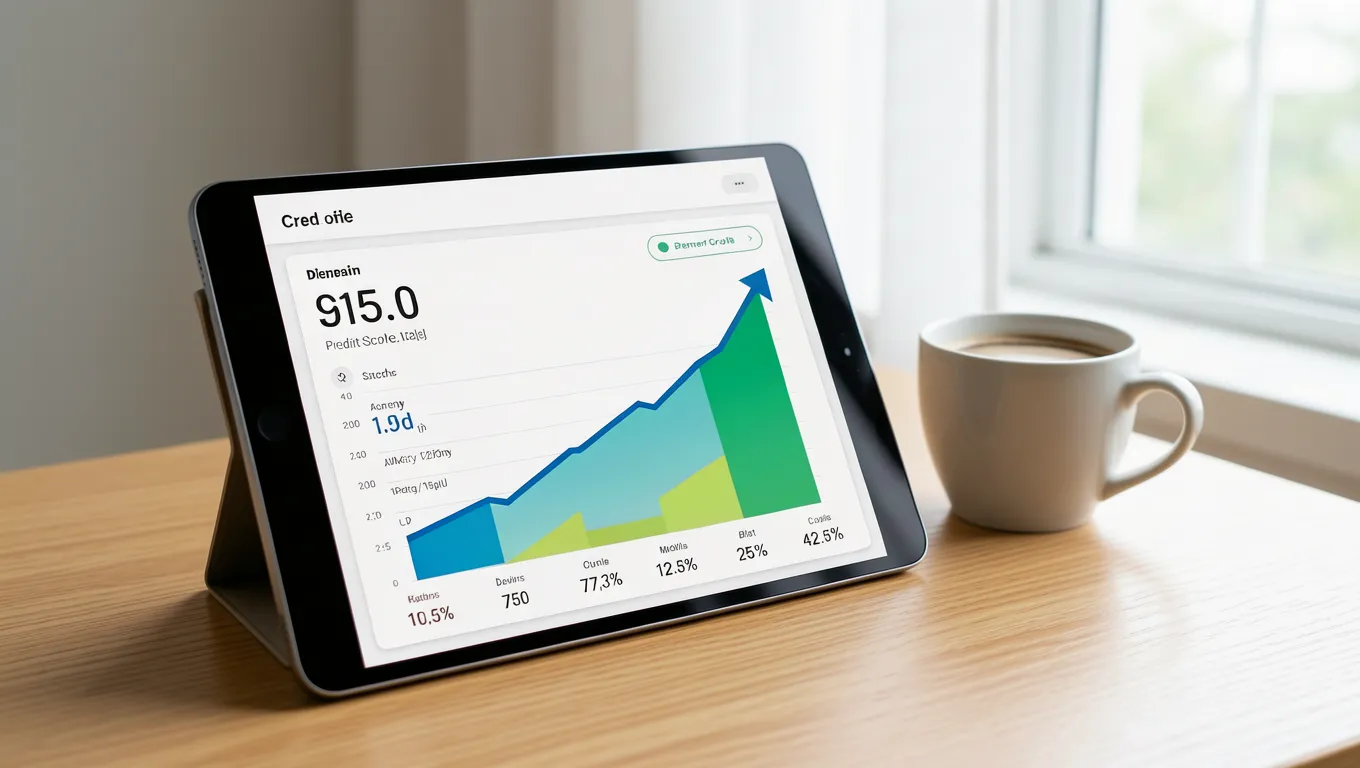
Finding the right lender shouldn't feel impossible when your credit score is recovering. LoanSwift helps you connect with lenders that specialize in flexible terms for 2026.
No hard credit pull · Takes 2 minutes
Won't impact your credit score
Provide basic details about your financial situation to see which lenders may match your profile.
Review a variety of personalized options including interest rates and repayment terms side-by-side.
Select the best offer for your needs and complete your application directly with the chosen lender.
When you are working to rebuild your financial standing, finding unsecured loans for bad credit can be a vital step in managing unexpected expenses. Unlike secured loans, which require collateral like a vehicle or home equity, an unsecured loan is granted based solely on your promise to repay the debt. This means there is no asset at risk if you encounter difficulties, though it often results in different interest structures compared to traditional prime-rate financing.
In 2026, the landscape for subprime lending has evolved. Lenders typically look beyond just your FICO score, incorporating a holistic view of your financial health. This includes analyzing your debt-to-income ratio, consistent employment history, and overall banking stability. According to data often highlighted by the CFPB, understanding the difference between interest rates and the total APR is crucial when evaluating these products.
Borrowers with lower credit scores may encounter an APR range from 15% to as high as 36% or more, depending on the specific lender and individual risk profile. While these rates are higher than those offered to individuals with excellent credit, they provide essential liquidity for those who might otherwise rely on much more expensive options like payday loans. It is important to remember that while a loan may help bridge a gap, it should be managed carefully to avoid increasing your credit utilization excessively.
| Loan Type | Typical APR Range | Common Term Length | Collateral Needed |
|---|---|---|---|
| Unsecured Personal Loans | 6% - 36% | 12 - 84 Months | None |
| Secured Personal Loans | 5% - 25% | 24 - 72 Months | Vehicle or Savings |
| Credit Builder Loans | Funds Held in Escrow | 6 - 24 Months | |
| Peer-to-Peer (P2P) Loans | 8% - 35% | 12 - 60 Months | None |
| Consolidation Loans | 7% - 32% | 24 - 72 Months | None |
Securing an unsecured loan when your credit is not optimal requires more than just a high interest rate; it requires proof of stability. Lenders in 2026 are increasingly looking at alternative data to determine if a borrower may be able to meet their obligations. This might include checking your bank account activity or verifying your steady stream of income via payroll deposits.
One of the most significant factors is your debt-to-income (DTI) ratio. Even with a low credit score, if your monthly income significantly outweighs your existing debt obligations, you may find it easier to qualify for better terms. As noted by various consumer protection agencies like the FTC, lenders are required to evaluate your ability to repay before extending significant credit, which is a safeguard for both parties.
Furthermore, the presence of an origination fee can impact the total amount you actually receive. While some lenders waive these fees, others may deduct them directly from your loan proceeds. Always review the fine print to ensure that the net amount received aligns with your specific financial needs and intended use.
When comparing unsecured loans, many borrowers focus solely on the monthly payment. However, in 2026, it is imperative to look at the Annual Percentage Rate (APR). The APR provides a more comprehensive view because it includes not just the interest rate, but also any mandatory fees or costs associated with getting the loan. This transparency is vital when you are looking for affordable financing.
For instance, a loan with a lower monthly payment might actually be more expensive in the long run if it has a much longer term length or higher APR. Using a fixed-rate installment loan can provide predictable payments, which helps with budgeting. Conversely, some lenders may offer variable rates that could increase over time, potentially making your debt harder to manage as market conditions shift.
It is also wise to consider the impact of early repayment penalties. Some high-interest products charge a fee if you attempt to pay off the loan before its term ends. While paying off debt early is generally beneficial for your credit score, you want to ensure that the lender does not penalize you for being fiscally responsible.
Review your reports from Equifax, Experian, and TransUnion to ensure there are no errors affecting your score.
Have recent pay stubs or tax returns ready to prove your ability to repay the loan quickly.
Avoid applying for multiple loans in a short period, as this may lower your score further.
Always look at the total amount repaid over the life of the loan rather than just the monthly payment.
We use industry-standard encryption to keep your sensitive financial data safe.
Get connected with multiple lenders in minutes, not days.
Access a diverse range of lenders specializing in varied credit profiles.
No hidden fees from LoanSwift; we simply help you find the best match.
While unsecured loans provide a lifeline, they do come with risks that must be managed. The primary risk is the cost of capital. Because lenders take on more risk when lending to those with lower credit scores, they charge higher interest rates to offset potential defaults. This can create a cycle where high-interest debt becomes difficult to escape if not handled with a strict repayment plan.
Another area of concern is the rise of predatory lending practices. In 2026, it remains important to stay vigilant against lenders that do not clearly disclose their terms or those that use aggressive marketing tactics. Always ensure you are working with reputable institutions that follow consumer protection guidelines established by the CFPB.
To mitigate these risks, consider using a loan specifically for debt consolidation if your goal is to lower your overall interest burden. By rolling multiple high-interest payments into one single unsecured installment loan, you may be able to simplify your finances and potentially reduce your total monthly outflow, provided the new terms are favorable.
Depending on your credit and timeline, instant loans for poor credit and personal loans for bad credit no cosigner can be worth a look too.
Adjust the sliders to see an instant estimate. Actual rates depend on your credit profile.
* Estimate only. Actual rate and terms depend on lender approval.
Estimated Monthly Payment
$332.14
per month for 36 months
No impact on your credit score