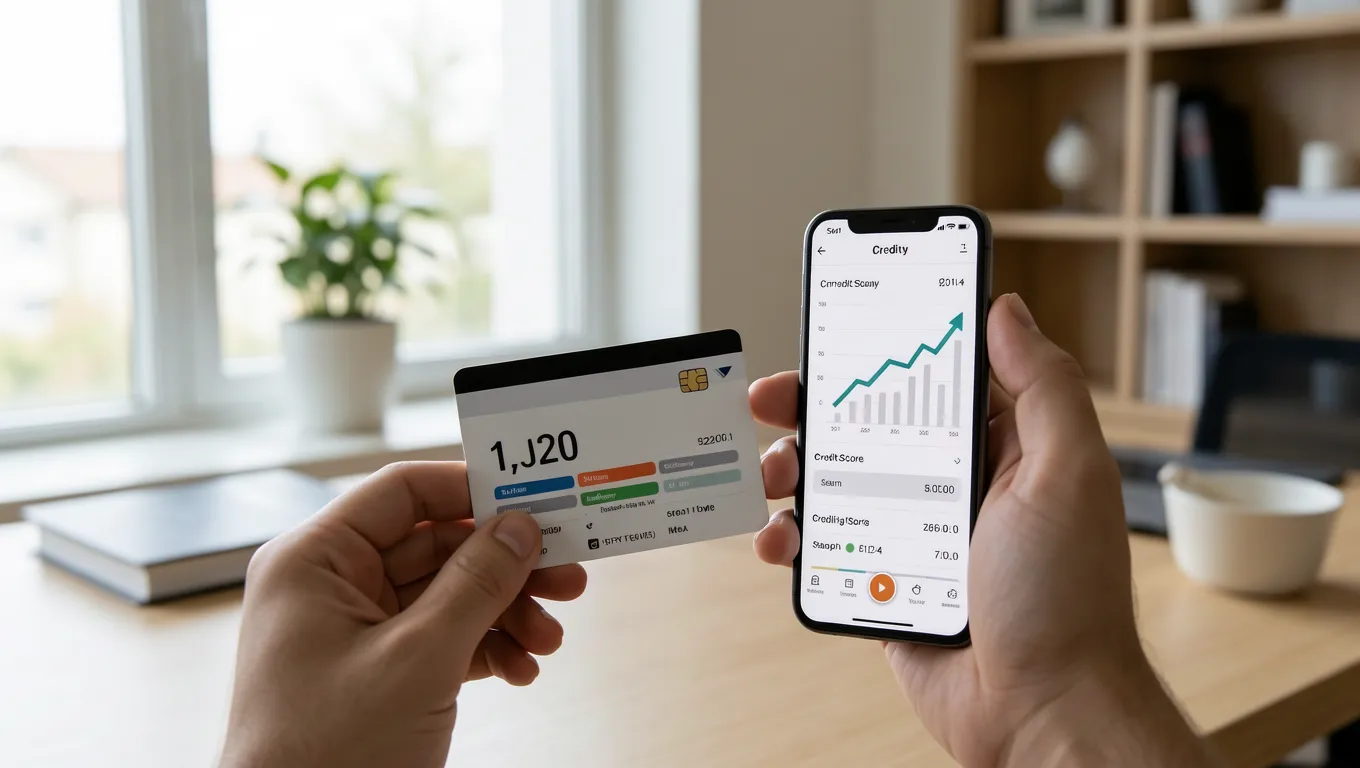
Navigating a low credit score can feel overwhelming, but you are not alone in the search for funding. We help connect you with lenders who specialize in high-risk profiles.
No hard credit pull · Takes 2 minutes
Won't impact your credit score
Fill out a quick form with your basic financial info and credit status to see what might be available.
Review different lenders, terms, and APRs that match your specific needs and budget constraints.
Select the best option from our matched list and follow the lender's application process to finalize.
In the current financial landscape of 2026, many individuals find themselves seeking specialized financing due to historical credit challenges. A personal loan for bad credit is essentially an unsecured installment loan designed for borrowers who may not meet the stringent requirements of traditional tier-one banks. These loans are often characterized by higher interest rates, but they provide a vital lifeline for those needing immediate liquidity. According to data frequently cited by major bureaus like Experian, credit scores in the lower ranges—typically below 580—can significantly limit access to standard consumer products, making these specialized options essential for financial management.
When you apply for such a loan, lenders are looking at more than just your FICO score. They will scrutinize your debt-to-income ratio and your overall history of timely payments. While the APR range can often fall between 18% and 36% or higher depending on your specific profile, these loans serve as a tool to bridge the gap during emergencies. It is important to remember that while approval depends entirely on the lender's unique criteria, having a stable income remains a cornerstone of any successful application.
It is crucial to understand that using these funds wisely can lead to long-term benefits. For instance, many borrowers use these loans for debt consolidation, which can help streamline multiple high-interest payments into a single fixed-rate installment loan. By successfully managing this new debt, you may actually begin to improve your credit utilization and overall score over time.
| Lender Type | Typical Credit Score | Expected APR Range | Speed of Funding | Best For... |
|---|---|---|---|---|
| Traditional Banks700+6% - 24%1-3 DaysLow-interest needs | ||||
| Credit Unions640 - 7008% - 20%2-5 DaysCommunity-based rates | ||||
| Online Lenders580 - 64018% - 36%Same Day/24 HoursSpeed and convenience | ||||
| Specialized Subprime LendersBelow 58025% - 36%+Instant to 48 HoursHigh-risk situations |
Securing a loan when your credit is less than ideal requires a clear understanding of what lenders are looking for in 2026. While you may not have the highest score, lenders still require proof of ability to repay the debt. This typically involves verifying your gross monthly income} through recent pay stubs or tax returns. The Federal Trade Commission (FTC) emphasizes that transparency is key in lending, so always ensure you are providing accurate documentation during your application process.
Another critical factor is your residency and banking status. Most lenders require that you are a US resident with an active checking account to facilitate the direct deposit of funds or the automatic withdrawal of monthly payments. Furthermore, your employment history plays a significant role; a consistent job for at least six months to two years can help offset a lower credit score by proving stability in your cash flow.
It is also worth noting that some lenders may perform a soft credit pull during the initial matching phase, which does not impact your score. However, once you move forward with a specific lender's formal application, they will likely conduct a hard inquiry. Understanding this distinction can help you protect your credit health as you shop for the best possible terms.
When evaluating personal loans for bad credit, the most important number to understand is the Annual Percentage Rate (APR). Unlike a simple interest rate, the APR includes both the interest you pay and any origination fees or other costs associated with getting the loan. In 2026, being able to compare these rates side-by-side is essential for avoiding unnecessary debt. A lower APR might mean a higher upfront fee, so it is vital to look at the total cost of borrowing over the life of the loan.
Repayment terms also vary significantly between lenders. You may find options ranging from 24 months up to 84 months. While longer terms can make your monthly payments more affordable, they ultimately result in you paying much more in interest over time. Many financial experts suggest choosing the shortest term that fits comfortably within your monthly budget to minimize total interest costs.
It is also important to be aware of prepayment penalties. Some lenders charge a fee if you decide to pay off your loan early, which can defeat the purpose of trying to save money on interest. Always check for no prepayment penalty clauses in your contract to ensure you have the flexibility to improve your financial standing as quickly as possible.
The relationship between your credit score and your loan terms is direct and measurable. Lenders use predictive models to determine the likelihood of default, and for those with a history of late payments or high credit utilization, that risk is perceived as higher. This perception is what drives the premium in interest rates offered to subprime borrowers. However, it is not an insurmountable barrier; rather, it is a reflection of the current risk-based pricing models used across the industry.
In many cases, your debt-to-income (DTI) ratio can act as a counterbalance to a low score. If you have a high income and very little existing monthly debt, some lenders may be more willing to offer favorable terms despite a lower FICO score. This is because the lender sees that even with a higher interest rate, your cash flow is sufficient to cover the new obligation without causing financial distress.
Understanding these nuances can help you prepare for the application process. By focusing on reducing your overall debt before applying, or by ensuring all your current accounts are in good standing, you may position yourself to receive better offers from the lenders we connect you with through LoanSwift.
Look for errors or fraudulent activity that might be artificially lowering your score. Correcting these can lead to a significant boost in your rating.
Try to pay down high-interest credit card balances before applying. Keeping your utilization below 30% is often a key factor for lenders.
Gather all documentation like W-2s or 1099 forms to prove stable earnings, which can help offset credit score concerns.
Only apply for loans when you are ready to compare. Too many hard inquiries in a short period can signal financial distress to lenders.
We quickly connect you with lenders who are specifically looking to work with your credit profile.
Your sensitive financial information is protected with industry-leading security protocols.
Access a diverse range of lenders, from online specialists to community-focused institutions.
We provide the data you need to make an informed decision without any hidden surprises.
Adjust the sliders to see an instant estimate. Actual rates depend on your credit profile.
* Estimate only. Actual rate and terms depend on lender approval.
Estimated Monthly Payment
$332.14
per month for 36 months
No impact on your credit score