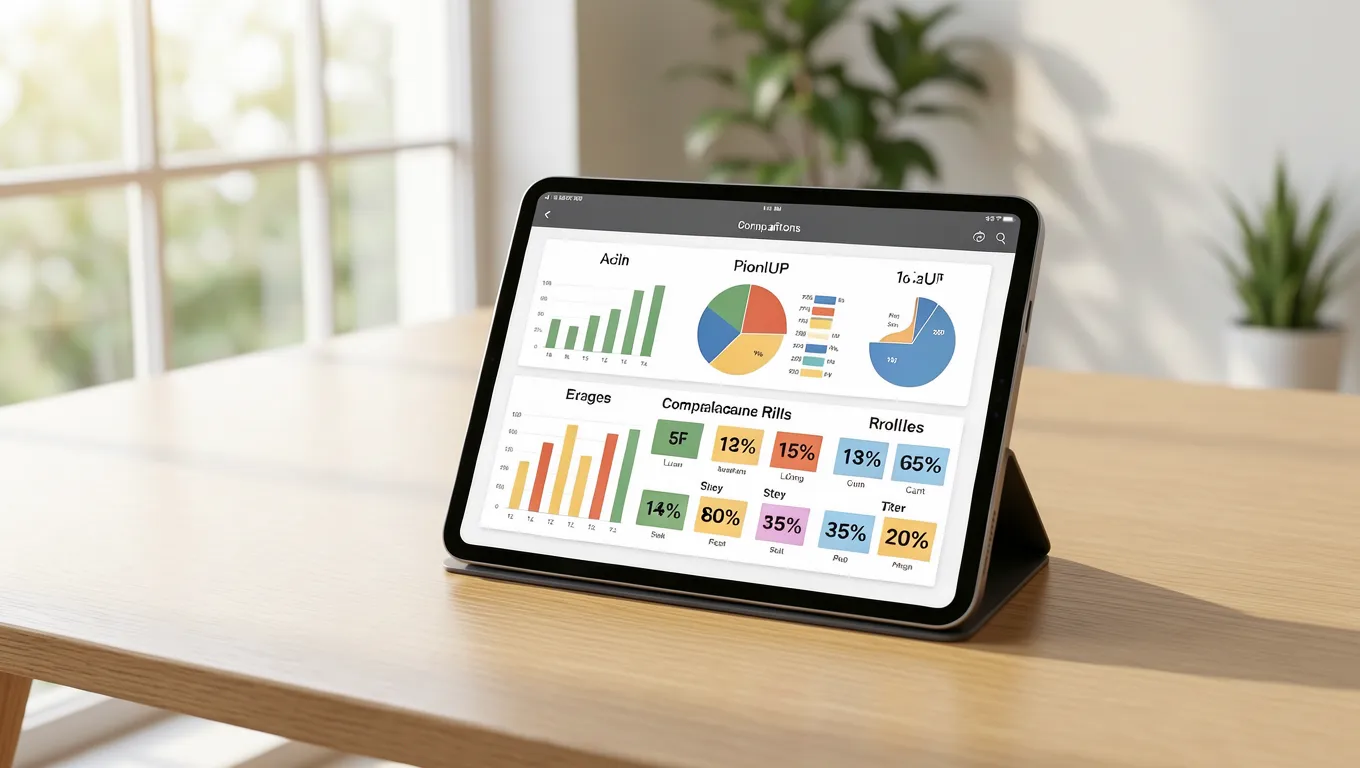
Compare rates from various lenders in seconds. Get a personalized view of your options without affecting your credit score immediately.
No hard credit pull · Takes 2 minutes
Won't impact your credit score
Enter basic information about your financial needs and intended loan amount to see initial matches.
Browse through a curated list of lenders offering terms that may suit your unique credit profile.
Choose the offer that provides the best value for you and proceed with the lender's application.
Navigating the vast landscape of modern lending requires more than just looking at monthly payments; it demands a thorough personal loan comparison to uncover true costs. In 2026, as financial technology continues to evolve, borrowers have unprecedented access to diverse products ranging from fixed-rate installment loans to flexible lines of credit. By utilizing a dedicated comparison tool, you can move beyond simple interest rate searches and begin evaluating the total cost of borrowing, including how different lenders structure their terms.
When conducting this research, it is vital to understand that not all offers are created equal. A lender might advertise an extremely low monthly payment, but if that comes with a significantly extended term, you could end up paying much more in interest over the life of the loan. According to guidance from the CFPB, transparency in these disclosures is key for consumer protection. This is why comparing the APR range (which typically spans from 6%–36%) across multiple providers is a non-negotiable step for any savvy borrower.
Furthermore, your decision should be influenced by more than just the headline numbers. You must consider how various lenders view your debt-to-income ratio and your overall credit utilization. A comprehensive comparison allows you to see which institutions might offer better terms based on your specific financial health, potentially saving you thousands of dollars in interest over time.
When you begin a personal loan comparison, your credit profile acts as the primary driver of your potential terms. Lenders use various metrics to determine risk, which can significantly impact whether you may receive an approval or what specific interest rates are offered. For instance, individuals with excellent scores from major bureaus like Experian or Equifax often find themselves in a much stronger position to secure the lowest possible APR.
Beyond your credit score, lenders will look closely at your monthly income and existing debt obligations. Your debt-to-income ratio is a critical metric that helps a lender decide if you can comfortably manage an additional monthly payment. Depending on the lender, you may also need to provide proof of residency or employment to finalize any potential agreement. It is important to remember that while some comparison tools use a no hard credit check method for initial quotes, a formal application will likely result in a hard inquiry.
In 2026, the digital verification process has become much faster, but it still requires accuracy. Providing outdated or incorrect information regarding your annual income or current liabilities could lead to unexpected denials. Therefore, as you evaluate different options through our comparison engine, ensure that all data provided is a true reflection of your current financial standing to avoid any surprises during the final underwriting stage.
| Loan Type | Typical APR Range | Max Term Length | Best For |
|---|---|---|---|
| Unsecured Installment | 6% - 36% | Up to 84 Months | General Expenses |
| Secured Personal Loan | 5% - 25% | Up to 60 Months | Lower Interest Rates |
| Debt Consolidation Loan | 7% - 32% | Up to 72 Months | Managing Multiple Debts |
| Emergency Personal Loan | 10% - 36% | Up to 36 Months | Immediate Needs |
| Home Improvement Loan | 8% - 30% | Up to 84 Months | Large Renovations |
A critical component of any personal loan comparison involves a deep dive into the APR versus the base interest rate. Many borrowers make the mistake of only looking at the nominal interest rate, but the Annual Percentage Rate (APR) is a much more accurate representation of what you will actually pay. The APR includes not just the interest, but also any mandatory origination fees or other upfront costs associated with securing the loan.
In 2026, understanding these nuances is essential for long-term financial health. For example, a lender might offer an interest rate of 8%, but if they charge a 5% origination fee taken out of your loan proceeds, your actual cost of borrowing is much higher than it appears at first glance. It is vital to compare the total amount repaid over the life of the loan across all potential lenders rather than just looking for the lowest monthly payment.
Furthermore, you should always investigate whether a lender charges prepayment penalties. If you plan to pay off your loan early to save on interest, a prepayment penalty can effectively negate those savings. By using a detailed comparison approach, you can identify which lenders offer the flexibility you need to manage your debt on your own terms.
Hidden costs can derail even the most well-planned financial strategy, making it essential to include all potential fees in your personal loan comparison. Beyond the standard interest rate and origination fee, some lenders may have various administrative charges that are not immediately obvious in a marketing advertisement. It is always wise to request a full breakdown of all possible costs before signing any agreement.
One often overlooked aspect is the impact of variable vs. fixed rates. A variable-rate loan might offer a lower starting point, but if market conditions change—a possibility that remains relevant in 2026 economic forecasts—your monthly payments could increase significantly over time. Conversely, a fixed-rate installment loan provides the peace of mind of consistent payments, even if the initial rate is slightly higher.
To avoid being caught off guard, we recommend reviewing the fine print regarding late payment fees and how they might impact your credit score with bureaus like TransUnion or Equifax. A single missed payment can have a lasting negative effect on your ability to secure favorable terms in the future. Being thorough during the comparison stage is your best defense against these unexpected financial drains.
Many borrowers fall into the trap of prioritizing speed over value when performing a personal loan comparison. In an era where 'instant approval' is often advertised, it can be tempting to choose the first lender that offers a quick decision. However, speed does not always equate to affordability; some lenders charge significantly higher rates specifically because they offer expedited processing.
Another common pitfall is failing to account for the total cost of credit. It might seem beneficial to opt for a longer term to keep your monthly obligations low, but this can lead to a massive increase in the total interest paid over time. A borrower might find that by extending their loan from three years to five, they end up paying nearly double the total interest, even if their monthly budget remains comfortable.
Finally, be wary of lenders that do not provide clear, written disclosures regarding all terms and conditions. If a lender is hesitant to explain how their fees work or how your credit score will be impacted during the process, it is often a red flag. A professional comparison should always lead you toward transparency, where every fee, rate, and term is clearly defined and easy to understand.
You may also want to review best rates comparison and lowest interest personal loans before deciding what works best.
Review your credit report from a major bureau to ensure there are no errors before you start comparing. This ensures the rates you see are based on accurate data.
Always prioritize the Annual Percentage Rate when evaluating offers to ensure you are seeing the true cost of the loan including all fees.
Calculate how much you will have paid in total by the end of the term. This is the most effective way to see which loan is actually cheaper.
Ensure your chosen lender allows you to pay off the debt early without extra charges. This provides maximum flexibility for your future finances.
We focus on showing you the real costs, including APR and fees, so there are no surprises.
Our technology allows you to see multiple lender options in a matter of seconds.
Initial rate checks are performed using soft inquiries that do not affect your score.
We connect you with a diverse range of lenders to increase your chances of finding a match.
Adjust the sliders to see an instant estimate. Actual rates depend on your credit profile.
* Estimate only. Actual rate and terms depend on lender approval.
Estimated Monthly Payment
$332.14
per month for 36 months
No impact on your credit score